Ramen: Soy Sauce. Enjoy the Top Ramen you know and love anytime, anywhere. THREE CUSTOMIZABLE FLAVORS with additional veggie and flavor sauce pouches included—teriyaki for Chicken, garlic for Shrimp and sesame for vegetarian Soy Sauce flavor. Traditional shoyu ramen is characterized by a long-simmered clear chicken stock, the salty umami of the soy sauce, as well as some aromatics, including ginger, garlic, and toasted sesame oil.
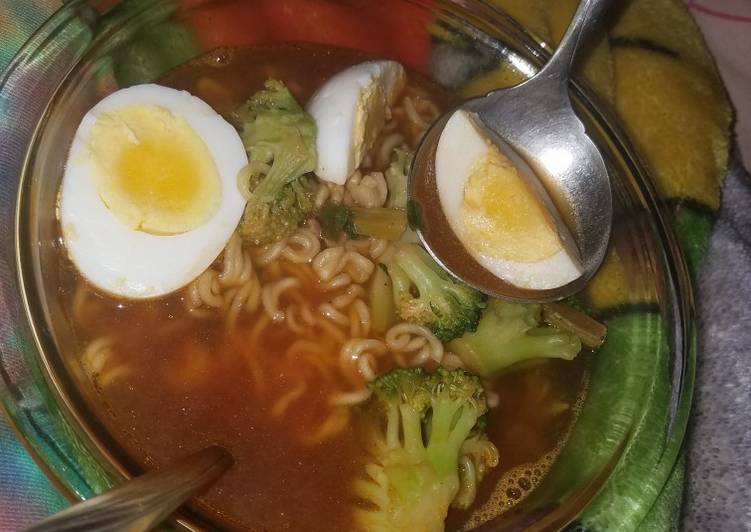 Shoyu is just one of several types of ramen.
Other common categories include shio, tonkotsu, and miso ramen.
Among these, the soy sauce version is noted for its curly noodles and tangy, salty and savory, but light broth.
You can have Ramen: Soy Sauce using 5 ingredients and 5 steps. Here is how you achieve it.
Shoyu is just one of several types of ramen.
Other common categories include shio, tonkotsu, and miso ramen.
Among these, the soy sauce version is noted for its curly noodles and tangy, salty and savory, but light broth.
You can have Ramen: Soy Sauce using 5 ingredients and 5 steps. Here is how you achieve it.
Ingredients of Ramen: Soy Sauce
- Prepare 1 of ramen packet, or cup ramen. Any flavor.
- Prepare 2 tbsp of soy sauce (adjustable).
- Prepare 1 of egg.
- Prepare 1 cup of frozen broccoli florets or whatever they're called.
- You need 1/2 cup of frozen green beans.
Shoyu ramen is one of Japan's famous ramen flavours made from a soy sauce based soup! With reduced sodium content and no added MSG, the great taste you love has been stripped down to its essential noodle goodness. Even vegetarians can enjoy our Soy Sauce and Chili flavors with their favorite toppings. Shoyu Tare is the soy sauce seasoning and concentrated flavor base used in Japanese Shoyu Ramen.
Ramen: Soy Sauce instructions
- Now, this all depends on what brand of ramen you're using. All of the Cup noodles should be cooked with their seasoning, as should the spicy packet brand Shin Ramyun, or any kinda brand that provides a dehydrated veggie packet to add. Maruchan and Nissin, on the other hand, should Not be cooked with their flavor packets. They get congealed and disgusting, don't do it..
- After you have determined which type you're using (cook the flavor in or stir in after), boil an egg. There are a few ways to boil an egg, I always do hard boiled because I hate the yolks anyways, so I put mine in with the lukewarm water and raise to a boil for 10 minutes, and then shut the heat off and let it sit, covered, for another 5 before draining, chilling, peeling and slicing. The way you take your egg is entirely up to you..
- After rinsing your pot to get rid of the egg shell taste, put a new pot of water on. If you are cooking the seasoning in, add it now, along with the dehydrated veggie pack (if added), soy sauce, and the frozen vegetables. If you aren't cooking the seasoning in, then just add the frozen veggies. Put the soy sauce into the bowl you're using, along with the seasoning packet..
- Once your water and veggie mixture has come to a boil, add the noodles. This is probably redundant since it's Ramen, but. I'm thorough. Let your noodles boil until they're either completely cooked (able to twirl a single noodle around the fork without it being stiff, if you don't want to bite a hot noodle), or a smidge before that, when they're still a bit stiff, if you want to let your hot ramen soup cool to a reasonable temperature..
- Drain any excess water you don't want, and pour your ramen into a bowl. Put the sliced egg on top, and you have a yummy soy flavored veggie and egg ramen dish!.
Tare is one of the most important elements in a good bowl of ramen. One night, we decided to try a new way of eating our ramen noodles. We made up our own "Awesome Sauce". Like we talked about above, ditch the spice/salt packet that comes with the noodles and make your own sauce! The ingredients for this recipe are sesame oil, packaged ramen noodles, garlic, soy sauce, brown sugar, and sriracha.